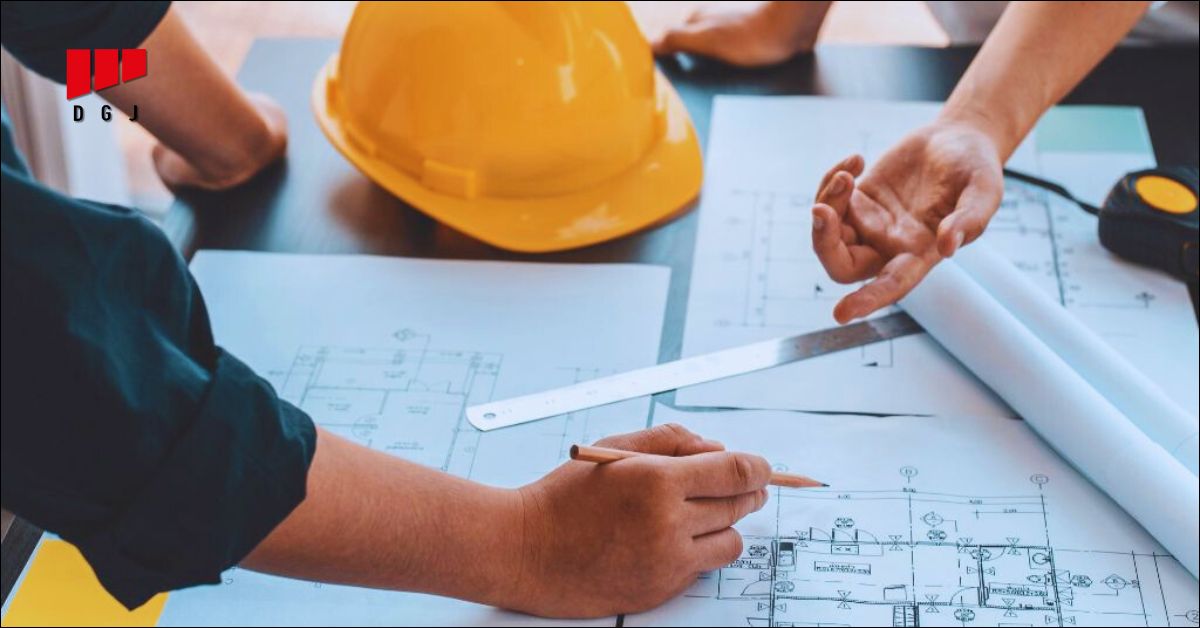
In today’s built environment, delivering successful projects requires more than strong design vision. It demands a careful balance between creativity, cost control, risk management, and long-term value. This is where the collaboration between architects and construction cost management consultants becomes essential.
No matter how ambitious a project may be, financial discipline is critical. Without it, even the most innovative design can face delays, redesigns, or budget overruns. By working closely with construction cost management consultants from the earliest stages, architects can ensure that their ideas are not only inspiring but also financially viable.
This partnership creates a structured pathway from concept to completion, aligning design intent with commercial reality. When done effectively, it leads to improved decision-making, greater cost certainty, reduced risk exposure, and stronger overall project outcomes.
For developers, institutions, and government bodies managing complex developments, this collaboration provides something even more valuable: confidence, clarity, and control throughout the entire project lifecycle.
Architects are responsible for shaping the built environment. Their work extends far beyond aesthetics, encompassing functionality, usability, compliance, and sustainability. Every design decision must respond to both the client’s vision and the practical demands of construction.
Key responsibilities of architects include:
Modern architectural practice also requires a strong awareness of cost implications. Design choices such as materials, structural systems, and building services all influence the overall budget. Without input from construction cost management consultants, these decisions may lead to financial pressure later in the project.
This is why collaboration is not optional. It is fundamental.
Construction cost management consultants act as the financial guardians of a project. Their expertise ensures that every stage of development remains aligned with the agreed budget and commercial objectives.
Their core responsibilities include:
Beyond cost control, construction cost management consultants provide strategic insight. They help clients understand where risks may arise, how market conditions may affect pricing, and which procurement routes will deliver the best value.
For organisations managing high-value or complex developments, this level of financial oversight is critical. It ensures that investment decisions are informed, transparent, and aligned with long-term objectives.
The collaboration between architects and construction cost management consultants creates a powerful synergy. Each discipline brings a different perspective, and when these perspectives align, projects benefit from both creative excellence and financial discipline.
Early-stage design often focuses on vision and functionality. However, without cost validation, these concepts may exceed available budgets. Construction cost management consultants provide immediate feedback on the financial implications of design decisions.
For example, if a proposed façade system significantly increases costs, the consultant can recommend alternative materials or construction methods that achieve a similar visual outcome at a lower cost.
This iterative process allows architects to refine their designs while maintaining financial feasibility.
Budget overruns are one of the most common challenges in construction. They often arise from late design changes, inaccurate estimates, or unforeseen site conditions.
Construction cost management consultants mitigate these risks by:
By addressing potential issues before construction begins, the project team can avoid costly revisions and delays.
Value engineering is a structured approach to achieving the best possible outcome within a defined budget. It does not mean reducing quality. Instead, it focuses on improving efficiency and eliminating unnecessary costs.
Through collaboration, architects and construction cost management consultants can:
Explore alternative materials and specifications
Evaluate different structural systems
Optimise construction sequencing
Consider prefabrication or modular solutions
For instance, replacing bespoke components with standardised elements can reduce both manufacturing and installation costs without compromising performance.
Time is closely linked to cost. Delays often lead to increased expenses, extended contracts, and reputational risk.
Construction cost management consultants contribute to programme certainty by:
When architects and cost consultants work together, project programmes become more realistic and achievable.
To maximise the benefits of collaboration, a structured and proactive approach is required. The following strategies help ensure a strong and productive partnership.
The earlier construction cost management consultants are involved, the greater their impact. At the concept stage, they can provide high-level cost benchmarks based on similar projects.
As the design develops, these estimates are refined to reflect:
Early engagement reduces the need for major redesign later in the process.
Consistent communication is essential for maintaining alignment between design and cost objectives. Regular design workshops and coordination meetings allow both parties to:
Clear documentation of decisions ensures transparency and accountability.
Technology plays a key role in modern construction projects. Tools such as Building Information Modelling enhance collaboration by integrating design and cost data.
Benefits include:
Project management platforms further support collaboration by centralising information and tracking progress.
Clarity is critical. Each party must understand their responsibilities to avoid duplication or gaps in delivery.
A responsibility matrix can define:
This clarity builds trust and strengthens the working relationship.
Architects can enhance collaboration with construction cost management consultants by adopting the following practices:
These actions ensure that creativity is supported by financial awareness.
Construction cost management consultants can strengthen their contribution by:
Their role is not simply to control costs, but to enable better decisions.
One of the defining advantages of engaging professional construction cost management consultants is independence. An independent consultancy operates without influence from contractors or suppliers, ensuring that advice remains objective and aligned with the client’s best interests.
DG Jones & Partners exemplifies this approach. With a strong foundation in ethics, transparency, and international standards such as RICS and ISO, the firm provides clients with the assurance essential to complex developments.
This independence allows clients to:
For organisations managing large-scale or high-profile projects, this level of trust is invaluable.
The role of construction cost management consultants extends beyond individual project stages. Their involvement spans the entire lifecycle of a built asset, from feasibility and design through to construction and completion.
This continuity provides:
DG Jones & Partners is a trusted partner throughout this journey. With experience across more than 70 countries and a diverse portfolio that includes airports, hospitals, universities, and masterplanned developments, the firm combines global expertise with local insight.
Clients benefit not only from technical excellence but also from a collaborative approach that prioritises transparency, accountability, and performance.
The collaboration between architects and construction cost management consultants is vital to delivering successful construction projects. By combining creative vision with sound financial guidance from the outset, this partnership ensures that every design remains achievable within budget and on schedule.
With shared tools, clearly defined responsibilities, and open communication, architects and cost consultants can work together seamlessly to reduce risks, optimise value, and maintain control over costs, without compromising quality.
If you’re looking to make smarter financial decisions on your next build, we’re here to help.
Contact DG Jones & Partners today to see how working with an experienced cost management consultant can help your project succeed. Whether you’re at the concept stage or ready to begin construction, our expert team offers the insight and support you need to stay on track, stay within budget, and deliver with confidence.
Let’s turn your vision into a practical, cost-effective reality—together.
Collaboration ensures that the architectural vision aligns with the project budget, leading to efficient resource use and minimising the risk of cost overruns. This partnership fosters a balance between design innovation and financial feasibility.
They work closely from the project's inception, with architects providing design concepts and consultants offering cost estimates and budget management. This teamwork helps identify potential cost-saving measures and ensures the project stays within financial limits.
Challenges can include differing priorities: architects focus on aesthetics and functionality, while cost consultants prioritise budget constraints. Effective communication and compromise are essential to overcoming these differences and achieving project goals.
Early involvement enables consultants to provide accurate cost estimates during the design phase, helping architects adjust plans to fit the budget before incurring significant expenses. This proactive approach prevents costly redesigns and delays.
Cost management consultants provide financial insights that guide decision-making, helping architects and clients make informed choices about materials, construction methods, and design alternatives. Their expertise ensures the project remains financially viable throughout its lifecycle.