Walk past any major construction site, and you will see visible progress: cranes, workers, scaffolding, and the structure taking shape. What you do not see is just as critical. Behind every successful project is a disciplined financial system that ensures everything stays on track, and that system is cost management.
Many developers, investors, and even project stakeholders still ask a fundamental question: what is cost management in construction, and why does it matter so much? This guide answers that question in depth while exploring how effective cost management protects investments, improves project outcomes, and builds long-term trust.
Cost management in construction is the process of planning, estimating, budgeting, monitoring, and controlling costs throughout a project's lifecycle. In straightforward terms, it ensures that a project is completed within its approved budget while still meeting quality and programme expectations.
It starts at the earliest concept stage and continues until final completion and handover. It involves both strategic planning and day-to-day financial control, linking design intent with financial reality. Without it, even well-designed projects can quickly spiral into financial risk.
For example, imagine a developer planning a mid-rise residential building in a city with fluctuating material prices. Without proper cost management, changes in steel prices, labour inefficiencies, or design revisions could push the project beyond budget. With cost management in place, those risks are anticipated, tracked, and controlled before they become major issues.
Understanding what cost management in construction is becomes clearer when you see its impact on real projects. Construction is inherently complex, with many moving parts and variables that can affect costs at any stage.
Here is why cost management is essential:
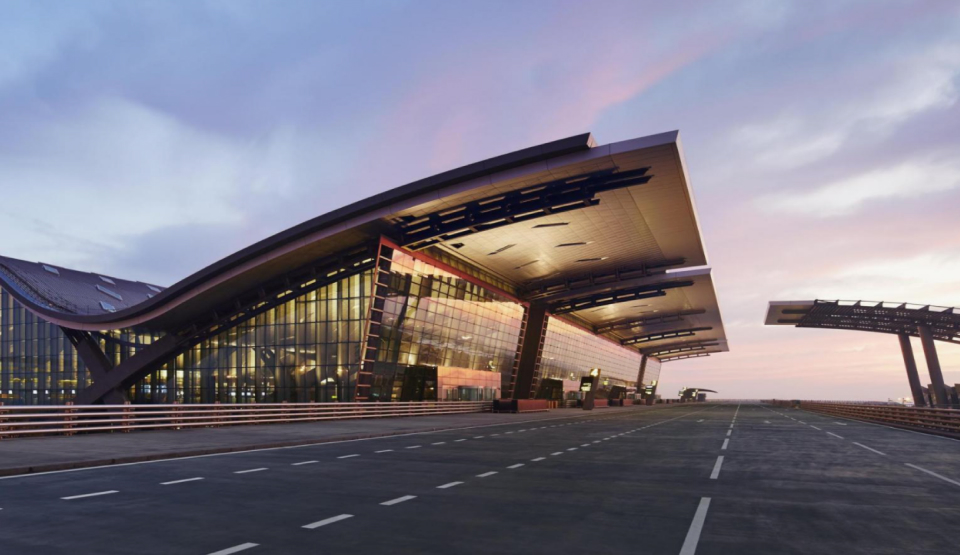
For developers managing high-value assets such as airports, hospitals, universities, and large-scale residential developments, cost management is not optional. It is a core function that directly influences project success and long-term asset performance.
To fully understand cost management in construction, it is important to break it down into its core components. Each plays a specific role in ensuring financial control throughout the project lifecycle.
Cost estimation is the foundation of cost management. It involves predicting the total project cost before construction begins, using drawings, specifications, benchmarks, and current market data.
This includes:
For instance, underestimating the cost of steel or façade systems in a high-rise project can lead to major budget overruns later, forcing scope reductions or compromises on quality.
Once costs are estimated, a detailed project budget is created. This acts as the financial blueprint for the entire construction process and is often broken down by work packages, stages, and cash flow over time.
Budgeting involves allocating funds to different phases, such as:
A well-structured budget is flexible enough to adapt to design development and market changes, but controlled enough to maintain financial discipline and accountability. It sets cost limits for decision-making and provides a benchmark for measuring performance.
Cost control is the ongoing process of tracking actual expenditure against the approved budget. It ensures that spending remains aligned with projections and that any deviations are identified and addressed quickly.
Effective cost control includes:
For example, if labour costs exceed projections due to delays or inefficiencies, cost control measures might include rescheduling work, revising resource levels, or renegotiating rates. Without cost control, even a well-prepared budget can be eroded by small unmanaged variations.
Transparent reporting keeps all stakeholders informed about a project's financial status. Clear, timely reports are essential to professional cost management and governance.
Reports typically include:
Clear reporting allows developers, consultants, authorities, and investors to stay aligned and make informed decisions. It supports board-level oversight and provides evidence of responsible financial stewardship.
Changes are inevitable in construction. Design refinements, client requests, regulatory requirements, and unforeseen site conditions can all impact costs.
Change management ensures that:
Without proper change management, even modest adjustments can lead to significant budget overruns and disputes at project close. Structured processes allow teams to make decisions with full knowledge of the financial consequences.
Cost management is not limited to one phase of construction; it spans the entire lifecycle of a built asset. From early feasibility to operational performance, it provides continuity and control.
During this stage, cost managers focus on feasibility studies, option appraisals, cost planning, and budget development. Decisions on specification, phasing, and procurement strategy have the greatest impact on overall costs and risk.
This is where active cost control takes place. Monitoring, reporting, managing changes, and negotiating contracts and variations are critical during execution. Daily decisions on site influence both immediate expenditure and long-term value.
In the post-construction phase, final accounts are prepared, performance is reviewed, and lessons learned are captured for future projects. Over the asset's operational life, cost management principles inform maintenance planning, lifecycle costing, and refurbishment strategies.
This lifecycle approach aligns capital expenditure with operational and long-term performance objectives.
Knowing what cost management in construction is is only the first step. Successful implementation requires discipline, systems, and expertise across the whole project team.
Proven best practices include:
For example, using integrated platforms for cost management and project control allows teams to link programme, procurement, and financial data, creating a clearer picture of project health.
So, what is cost management in construction? It is the discipline that transforms complex construction projects into financially viable, sustainable, and successful outcomes, ensuring that every pound is accounted for, every risk is considered, and every decision is made with full awareness of its implications.
More importantly, it provides peace of mind. For developers, institutions, and governments, it means knowing that their projects are not only being built but are being managed transparently and professionally, with a partner whose independence and ethics safeguard both investment and reputation.
In a rapidly evolving construction landscape, where cost pressures and expectations continue to rise, strong cost management is not just an advantage; it is the foundation on which successful, resilient, and high-performing assets are built. If you are planning or delivering a project and want to strengthen both your cost management and overall construction management approach, we invite you to contact DG Jones & Partners to discuss how our independent, ethics-driven consultancy can help you achieve clarity, control, and confidence at every stage of your built asset lifecycle.
Construction cost management refers to planning, estimating, budgeting, and controlling costs to ensure a project is completed within its approved budget. It involves managing the finances of a project from inception to completion, ensuring cost efficiency and optimisation.
While financial management assesses a firm's broader financial health, encompassing profitability, liquidity, and investment strategies, cost management focuses specifically on controlling project costs. It's about ensuring the construction project doesn't exceed its predetermined budget.
Cost management ensures projects stay within the set budget, mitigates financial risks, and increases profitability. Effective cost management also enhances a company's reputation, fostering trust with clients and stakeholders.
The primary components include cost estimation, budgeting, cost control, cost reporting, and change order management. These facets collectively predict, plan, monitor, and control costs throughout construction.
Absolutely! Modern technology, including software and AI, can enhance accuracy in cost predictions, monitor real-time expenses, and provide insights for better decision-making. Many construction firms now rely on advanced tools to manage costs efficiently.