As Greece experiences a steady rise in construction investment, from tourism infrastructure to residential and commercial development, one issue is becoming increasingly clear. The country faces a shortage of qualified cost management professionals, which is putting projects at risk.
In a market where time, budget, and precision matter more than ever, the ability to manage construction costs is no longer optional. Yet, many developers struggle to find professionals who understand quantity surveying or cost engineering. This gap slows project timelines and creates long-term inefficiencies that ripple across the sector.
Fortunately, this challenge also creates an opportunity to position cost management as a high-value profession in Greece and to build a strong talent pipeline for the next generation.
Traditionally, Greece’s construction and engineering education has focused on architecture, civil engineering, and technical trades. While these fields remain vital, cost planning and financial forecasting often receive little attention within academic programs.
Many students don’t even consider cost engineering as a potential career path. This is partly due to low visibility and partly because the role of a cost manager or quantity surveyor isn’t well defined in the local industry. But as large-scale, globally funded projects become more common, demand for internationally aligned cost-control standards is rising rapidly.
Greek universities are well-positioned to shape the next generation of cost and project management professionals—provided academic content begins reflecting the realities of modern project delivery.
Dedicated modules or postgraduate programmes focused on cost management would give students a clear and structured entry point into the profession, rather than treating it as an auxiliary skill.
Core topics such as life-cycle costing, procurement strategy, value engineering, and budget risk management form the technical backbone. Equally important is the integration of internationally recognised standards—such as RICS or AACEI—which help students understand not only what to measure, but how professional cost advice is structured, validated, and trusted in global markets.
Progress may be incremental. However, pilot programmes and targeted course development can begin closing the gap between academic theory and professional expectation.
While curriculum development sets the foundation, practical exposure determines whether graduates are ready to contribute. Construction projects operate under commercial pressure, contractual complexity, and evolving risk profiles. Without first-hand experience, these realities are difficult to grasp in a classroom alone.
Structured engagement between universities and industry helps bridge this divide. Guest lectures, supervised placements, and mentoring programmes allow students to see how cost and project decisions unfold in live environments. In parallel, industry involvement ensures academic programmes remain relevant as delivery models, technologies, and procurement strategies evolve.
When education and practice reinforce each other, graduates enter the market with clearer expectations, stronger confidence, and a more realistic understanding of professional responsibility.
Raising awareness is just as important as building capability. For cost management to gain traction in Greece, young professionals must see it as a credible, long-term career, not a niche technical role. Without visibility, the profession struggles to attract talent, regardless of demand.
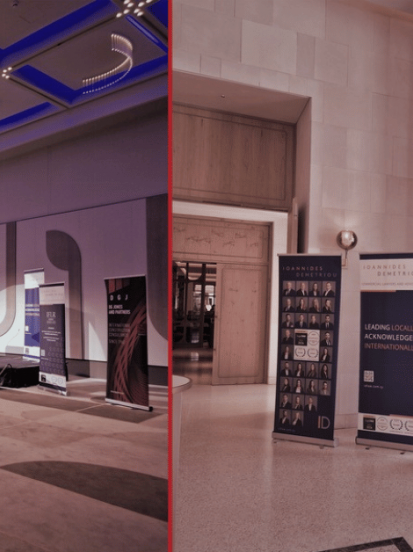
Clear certification pathways help address this gap. Routes such as becoming a Chartered Quantity Surveyor provide structure, professional recognition, and international credibility. When these pathways are actively communicated through career fairs, university programmes, and industry-led initiatives, they send a strong signal of legitimacy. Over time, this visibility builds confidence among students, employers, and investors alike.
Building a strong pipeline of cost management professionals is essential to the resilience of Greece’s construction sector. As projects grow in scale and funding becomes increasingly international, the need for disciplined financial stewardship becomes unavoidable rather than optional.
Developing this capability requires more than short-term training. It depends on structured professional standards, exposure to complex projects, and consistent mentorship rooted in global best practice. When cost managers are trained to think across the entire project lifecycle, they strengthen decision-making, reduce risk, and support sustainable, value-driven delivery.
DG Jones & Partners has spent over six decades supporting this level of professional development across international markets. Through structured training, mentorship, and alignment with recognised standards such as RICS, the firm continues to support the growth of skilled cost and project management professionals within Greece and beyond.
For organisations navigating increasingly complex developments, access to experienced cost management insight remains a critical advantage.